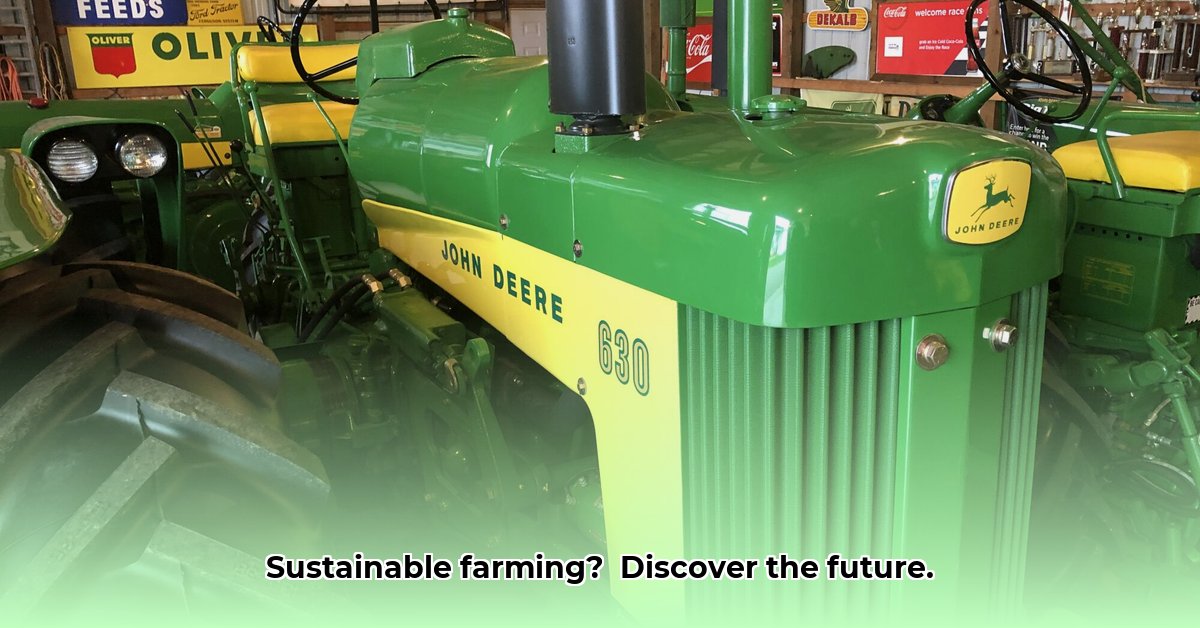
Dan Valley Tractor (DVT) possesses significant potential to capitalize on the burgeoning sustainable agriculture market. Currently offering a wide range of equipment, from small lawnmowers to large commercial tractors, DVT's diverse inventory presents a solid foundation. However, a more prominent emphasis on their eco-friendly options is crucial to attract the growing number of environmentally conscious farmers. This article analyzes DVT's current position, highlighting key opportunities and actionable steps for growth within the sustainable agriculture sector. For smaller farms, consider compact tractor attachments.
Opportunities for DVT in Sustainable Agriculture
DVT's existing business model offers inherent advantages in promoting sustainability. Their established service for both new and used equipment presents a powerful platform for sustainable practices. By emphasizing the longevity of their equipment and the reduction in waste associated with repairs and maintenance, DVT can directly address the growing concerns of farmers seeking environmentally conscious solutions. This strategy, coupled with DVT's reputation for excellent customer service, creates a strong foundation for building trust and loyalty within the sustainable agriculture market. This reliable service is particularly crucial given the increasing complexity of modern agricultural technology.
Challenges and Actionable Steps for DVT
To fully leverage the opportunities within sustainable agriculture, DVT must implement strategic changes across multiple areas. The following steps outline actionable strategies that can propel their growth in this evolving market.
Actionable Steps for Dan Valley Tractor & Power Equipment Management
Short-Term Goals (Next Year):
- Comprehensive Market Research: Conduct thorough research to identify specific sustainable equipment needs within their local farming community. This involves understanding not only what sustainable technologies exist, but also which practices (reduced fuel consumption, soil erosion control, precision agriculture, etc.) farmers are prioritizing. This data will directly inform future purchasing decisions and product offerings.
- Targeted Employee Training: Implement comprehensive training programs for sales and service teams, focusing on the benefits and specifications of eco-friendly equipment. Empowering staff with in-depth product knowledge and enthusiastic advocacy will dramatically improve sales conversion rates.
- Website Redesign: Overhaul the website to prominently feature existing eco-friendly products and services. This should go beyond simply listing products, incorporating compelling visuals (high-quality photos and videos) and clear explanations of the environmental and economic benefits of sustainable farming practices. Highlighting the longevity of equipment via case studies and success stories would substantially increase impact. The website overhaul should include a clear call to action to solicit more inquiries from environmentally focused farmers.
Long-Term Vision (3-5 Years):
- Expanded Product Inventory: Establish partnerships with suppliers offering a wider range of sustainable equipment, including electric tractors, solar-powered irrigation systems, and precision farming technologies optimized for resource efficiency. Diversification demonstrates a demonstrable commitment to sustainable practices.
- Targeted Marketing Campaigns: Implement targeted marketing campaigns focusing on environmentally conscious farmers. This strategy should utilize specialized agricultural publications, online forums, and industry events to reach a highly relevant audience. Compelling case studies featuring successful farmers utilizing sustainable equipment will further resonate with potential customers.
- Investment in Sustainable Services: Introduce repair and maintenance services that specifically address extending the lifespan of sustainable equipment. Develop and offer comprehensive training programs on sustainable farming practices, highlighting both the environmental and long-term financial benefits.
Actionable Steps for Farmers and Agribusinesses
Short-Term Actions (Next Year):
- Informed Purchasing Decisions: Actively seek out dealers offering a diverse selection of sustainable equipment. Inquire about training and support services to establish a clear understanding of the available offerings and associated support systems. This consumer demand will influence dealers to expand their offerings.
- Adoption of Precision Farming Technologies: Investigate and implement precision farming technologies such as GPS-guided tractors and soil sensors. These technologies significantly reduce the environmental footprint of agricultural operations while optimizing resource utilization.
Long-Term Commitments (3-5 Years):
- Implementation of Sustainable Practices: Actively adopt sustainable farming practices to minimize the environmental impact of agricultural production. This commitment reinforces positive market trends and encourages further expansion of sustainable equipment suppliers.
- Exploration of Financial Incentives: Investigate and apply for government grants and subsidies designed to incentivize the adoption of sustainable agricultural equipment and practices. These financial programs can make sustainable farming more economically viable.
Actionable Steps for Government and NGOs
Immediate Actions (Next Year):
- Financial and Regulatory Support: Continue supporting sustainable agriculture with appropriate funding and regulatory frameworks that incentivize the use of eco-friendly equipment, such as tax credits or grants for farmers purchasing sustainable machinery.
- Comprehensive Educational Programs: Implement farmer education programs highlighting the significance of sustainable practices and the advantages of eco-friendly equipment. These programs should include hands-on training to build farmer confidence and expertise.
Long-Term Strategy (3-5 Years):
- Investment in Research and Development: Invest in research and development of new sustainable agricultural technologies to address the specific needs of diverse farming operations.
- Supportive Regulatory Environments: Establish regulatory environments that encourage the adoption of sustainable agricultural methods and equipment through clear, consistent incentives.
The future of sustainable agriculture hinges on collaboration. Farmers need access to appropriate equipment, companies like DVT need to meet that demand, and governments/NGOs must provide supportive incentives and educational resources. DVT has a significant opportunity to lead this transition. The question remains: will they seize it?